Textured Fringe Haircut for Men: How to Choose the Right Shape and Style It
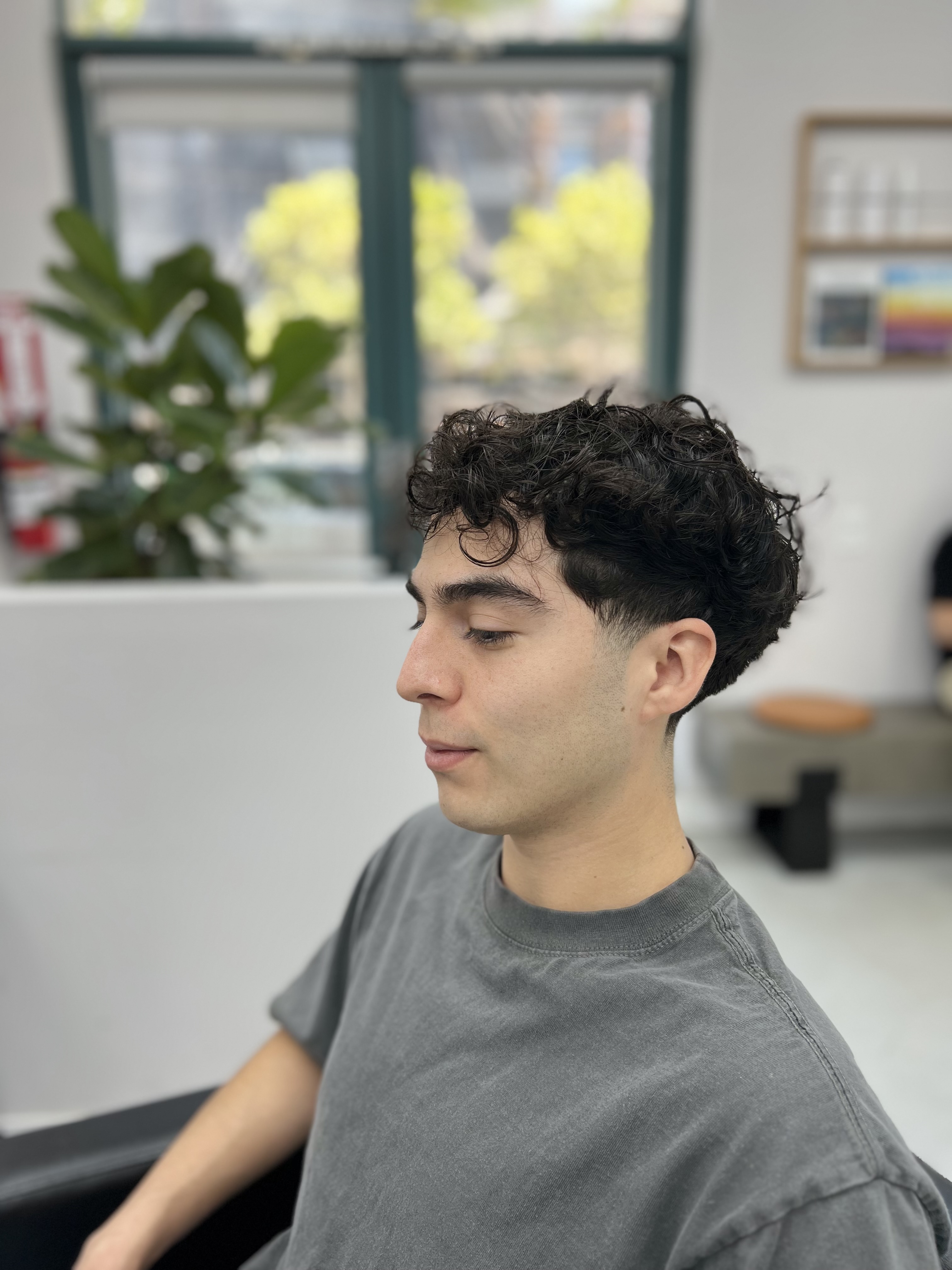
A complete textured fringe haircut guide for men: face shape, hair density, styling, maintenance and what to ask for at your next appointment.
Why textured fringe works
A textured fringe haircut gives the front of the hair movement instead of one blunt, heavy line. It can soften a wider forehead, add interest to straight hair and make a short-to-medium haircut look intentional even when it is not perfectly styled. The best version is personal: the length, texture and side shape should match your density and daily routine.
Finding the right fringe length
A short fringe is easy to wear and keeps the face open. A longer fringe creates more drama and works well with a softer taper or scissor shape. The key is not copying someone else’s length exactly; your cowlick, hairline and how your hair falls when dry determine the most useful length.
Texture is built in the cut
Texture is not only product. A stylist can create movement by adjusting sections, removing bulk in the right places and leaving enough weight where the hair needs support. Over-texturizing can make fine hair look thin, while under-texturizing thick hair can leave it blocky. That balance is what makes a fringe look fresh rather than flat.
Styling in three simple steps
Start with towel-damp hair. Blow-dry the fringe forward or slightly to one side, using your fingers to create separation. Finish with a small amount of matte clay, cream or styling powder. Add product gradually; using too much makes the fringe collapse into pieces that look greasy instead of textured.
What to say at your appointment
Show a reference and describe the finish: soft and natural, piecey and messy, or more polished. Also say whether you want a low taper, scissor sides or a fuller silhouette. A textured fringe is a haircut family, not one fixed cut, so the consultation matters.