A Haircut Consultation Checklist for People Who Air-Dry
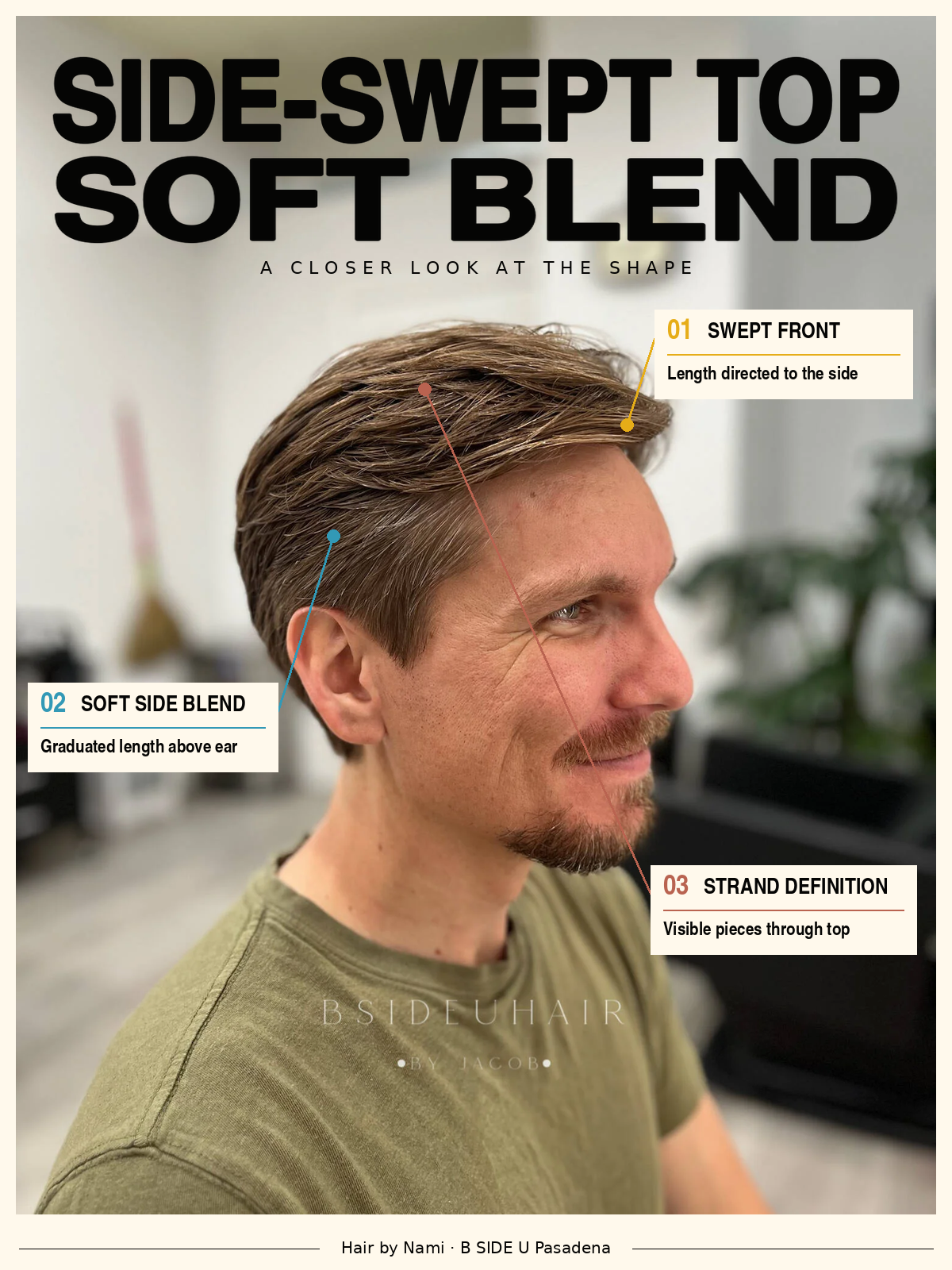
If your usual routine is to wash your hair and let it dry on its own, say so before discussing a haircut. A finished salon photo can help you explain what you like, but it does not show every step used to create that finish.
The useful question is not simply, “Can I get this haircut?” It is, “Which parts of this shape make sense for the way I wear my hair?” Here is a short checklist to bring to your next consultation.
1. Describe what your hair does without help
Think about an ordinary day, not your best hair day. Does the front fall forward, split apart or sweep to one side? Do the sides sit close or push outward? Is one section harder to settle than the rest?
If it helps, bring a clear photo of your own hair after it has dried in your usual way. Tell your stylist whether you used a brush, dryer or product before taking it. That context is more useful than calling a look “low maintenance” without explaining what maintenance means to you.
2. Separate the direction from the texture
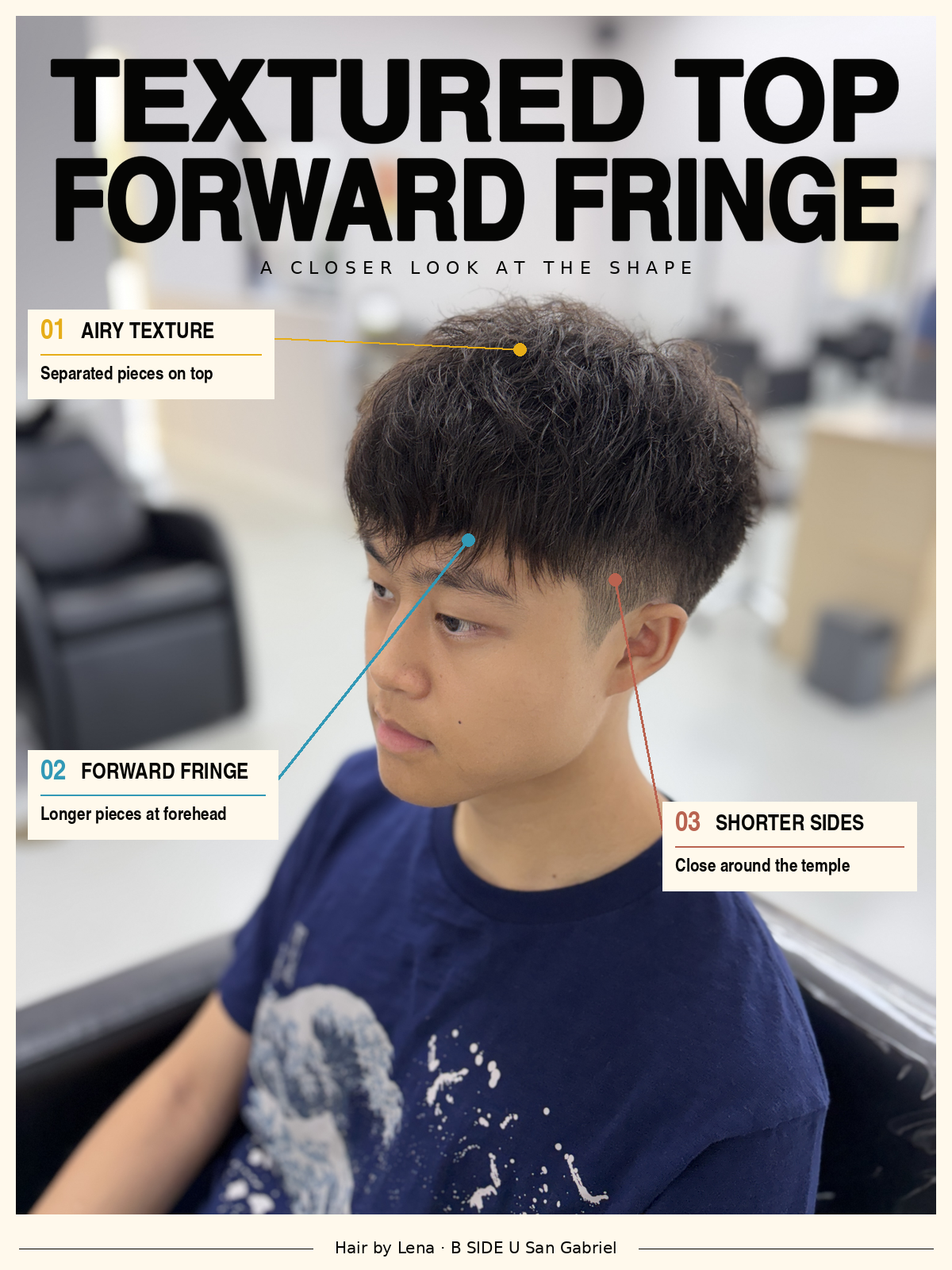
The two finished looks shown here illustrate different details. One has length swept sideways across the front with visible strands through the top. The other has a fuller textured top and pieces falling forward over the forehead.
You might like the side shape in one photo and the front direction in another. Point to those details separately. A photo cannot establish whether a wave is natural, whether a perm was used, or how the hair would look after air-drying. Ask rather than assume.
3. Choose where the front should sit when dry
Tell your stylist whether you want the front off your forehead, resting above your eyebrows or falling farther forward. Explain what bothers you about its current length: getting in your eyes, separating in a place you dislike or needing constant adjustment.
Ask to discuss the dry result, not only how long the hair looks when wet. Avoid promising yourself that one exact length will behave the same way as a reference photo. Your stylist can assess your hair in person and explain the trade-offs.
4. Be specific about the sides
“Short on the sides” can describe very different shapes. In the side-swept example, the transition above the ear looks gradual. In the forward-fringe example, the temple is noticeably shorter beneath the fuller top.
Decide whether you prefer a softer transition or more visible contrast. Also mention any area that tends to stick out as your hair dries. There is no need to guess a clipper number to start that conversation.
5. Ask for a routine you will actually use
If you do not use a dryer, say that. If you are happy to spend a little time directing the front but do not want several products, say that too. Ask which parts of the proposed finish depend on styling and what may look different when you skip those steps.
Before leaving, check that you understand the suggested routine. The goal is a clear plan for your own hair, not a promise that it will match a finished photograph without styling.
Bring your everyday routine to the consultation
A useful reference shows the shape you like. A useful consultation connects that shape with what your hair does and how you prefer to look after it.
Choose your location to plan a visit: