Wear Glasses? Bring Them to Your Haircut Consultation
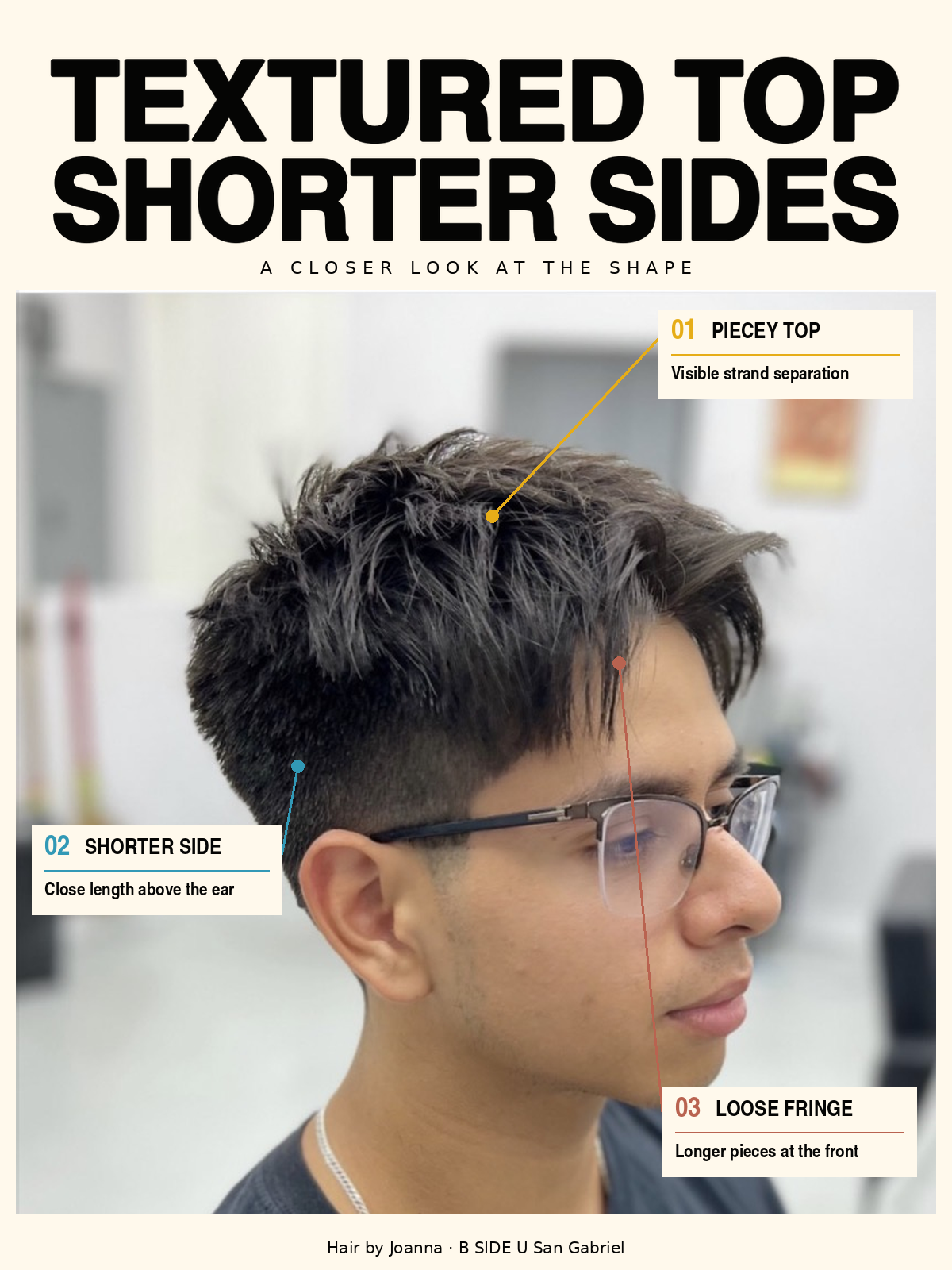
If glasses are part of your everyday look, bring the pair you usually wear to your haircut appointment. You can put them on during the consultation and check the shape with the frames in place. That gives you and your stylist something specific to discuss, rather than trying to remember how the two look together.
Look at the front with your frames on
Start with the fringe. Do you like hair falling close to the top of your frames, or do you prefer more space around your forehead? Do you usually sweep the front to one side? Put on your glasses and show your stylist where you want that hair to sit.
There is no single fringe length that everyone who wears glasses needs. Your preference, the way your hair falls and the styling you are willing to do all belong in the conversation. A reference photo can help, especially when you point to the detail you want rather than asking for the entire picture to be copied.
Compare the sides as well as the top
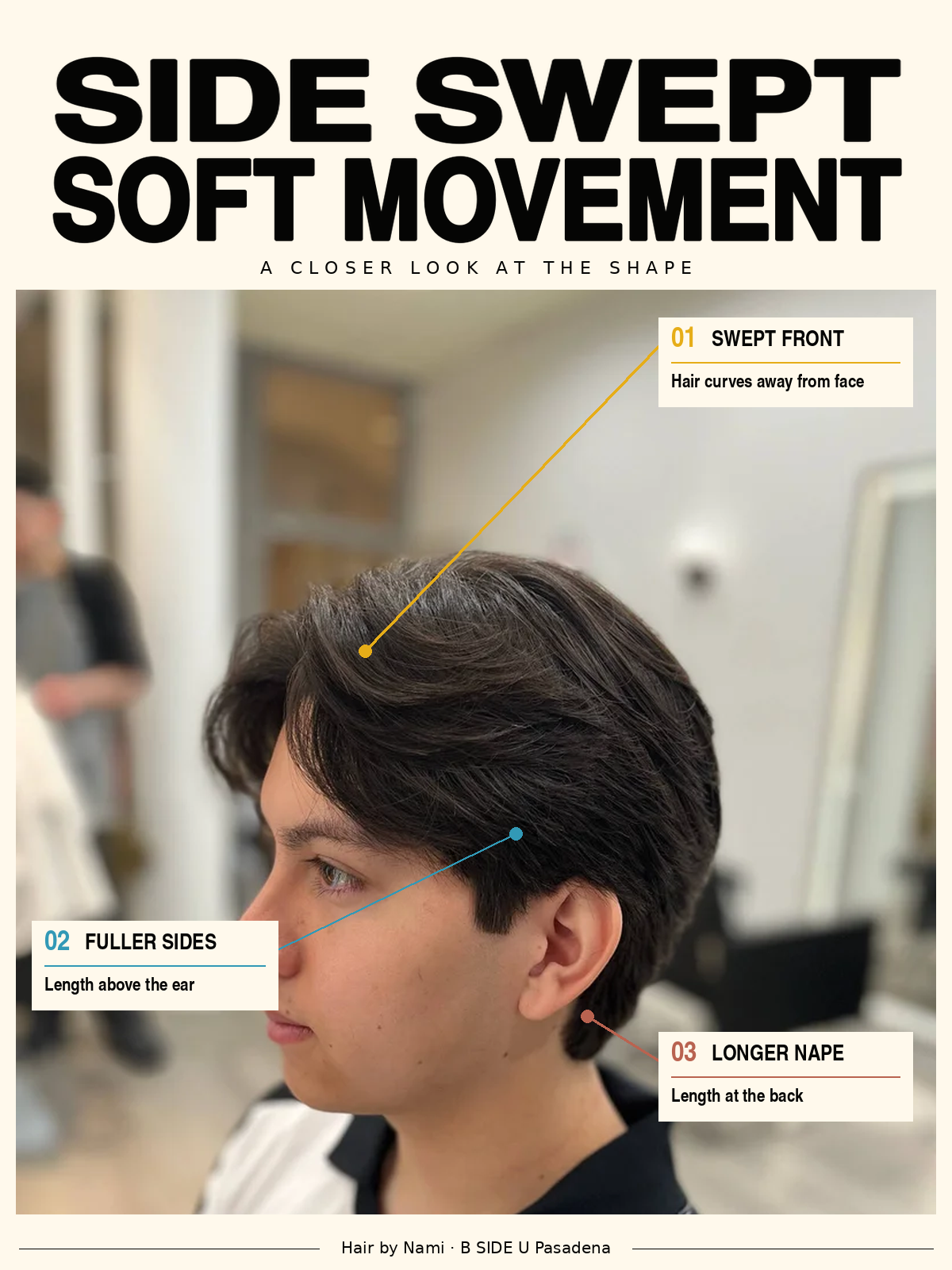
The area above and behind the ear is easy to overlook when you focus on the front. Check it with your usual frames in place. Tell your stylist whether you like a close outline or prefer to keep more length there.
The two pictured examples show different choices. Nami's look keeps a fuller side and length at the nape. Joanna's look has a shorter area above the ear with separated pieces on top. Neither is a rule for glasses wearers. They are useful visual examples of the side length you can discuss.
Mention what you notice during a normal day
If you often tuck hair behind your ears, sweep the front away from your frames or change between glasses and contacts, say so. Describe the routine instead of trying to diagnose what needs cutting. Your stylist can then talk through which details you want to keep and which you want to change.
You can also bring a photo of yourself on an ordinary day. A photo with your usual glasses and everyday styling gives context that a carefully styled reference may not show. You do not need a perfect photograph or a technical haircut name.
Check the finished shape together
Before leaving, put your glasses back on and look from the front and the side. If you are learning a different way to arrange the fringe, ask your stylist to show you the direction to work in and let you see it with the frames on.
A useful consultation can be simple: “These are the glasses I wear most days. I like this much hair at the sides, and I want the front to sit here.” Bring your reference and your everyday pair, and use both to explain what you like.